
Last updated November 15, 2026
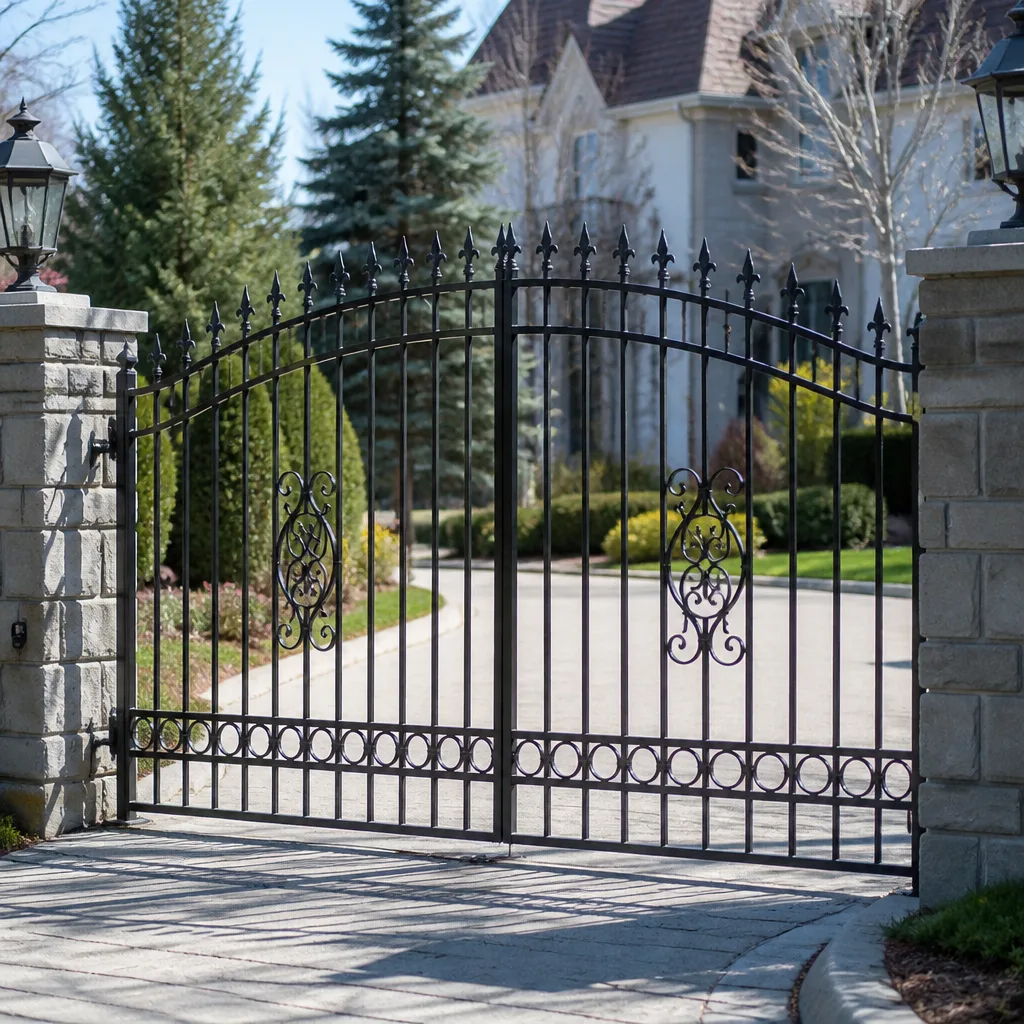 Wrought iron
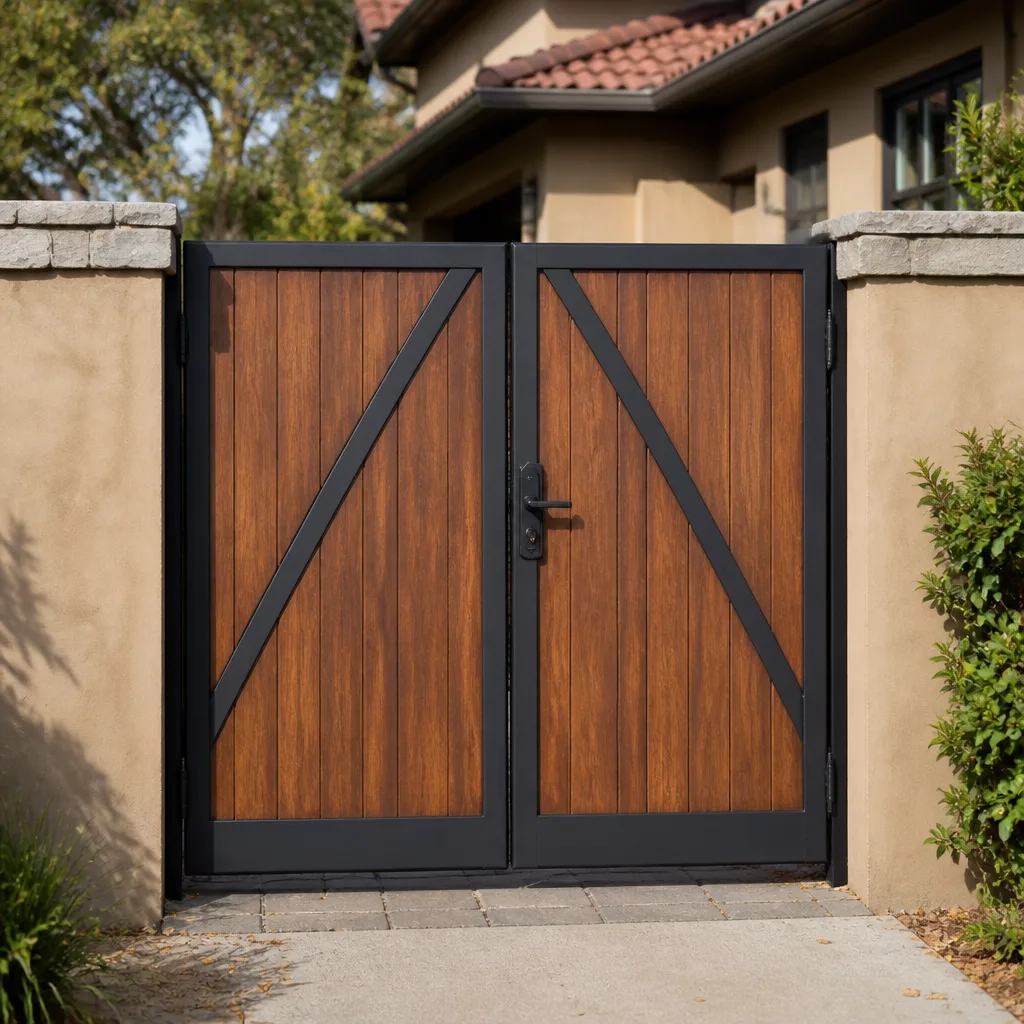 Wood & steel frame
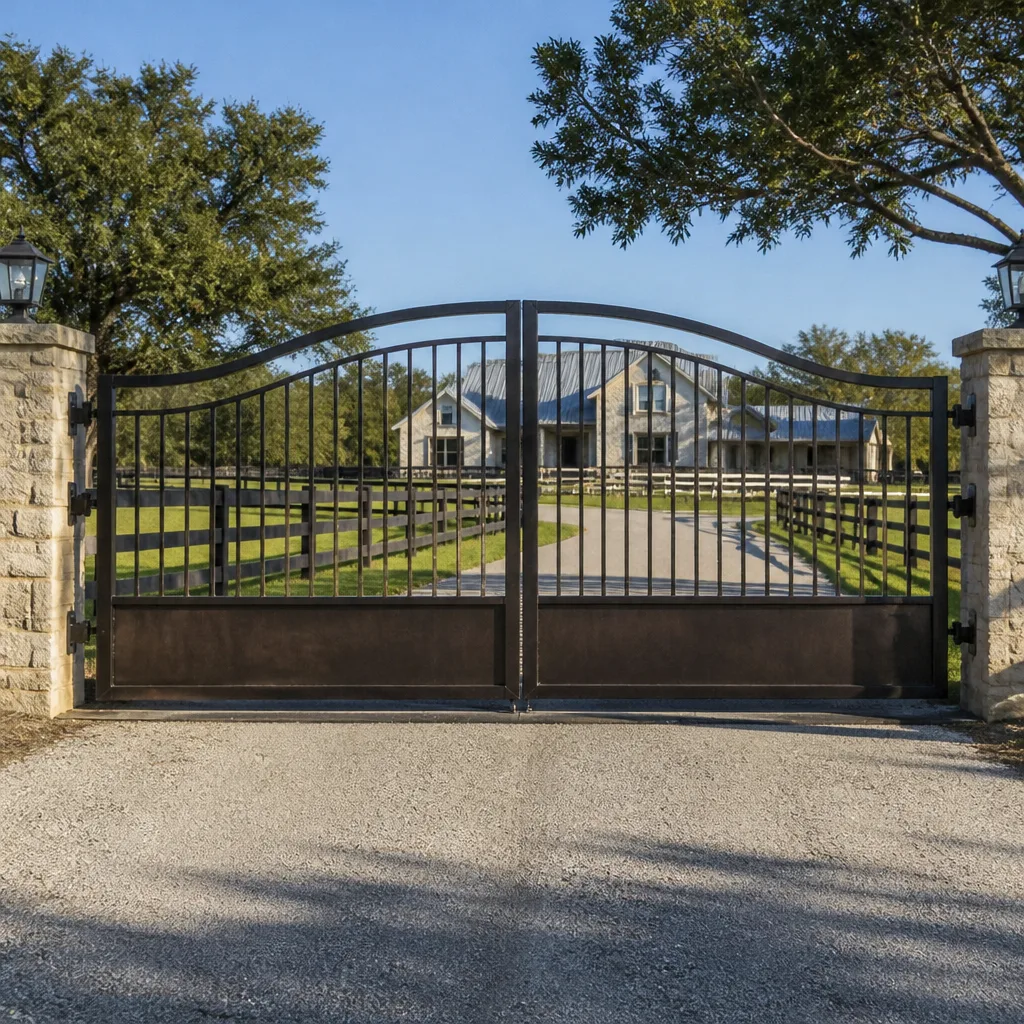 Farm & ranch
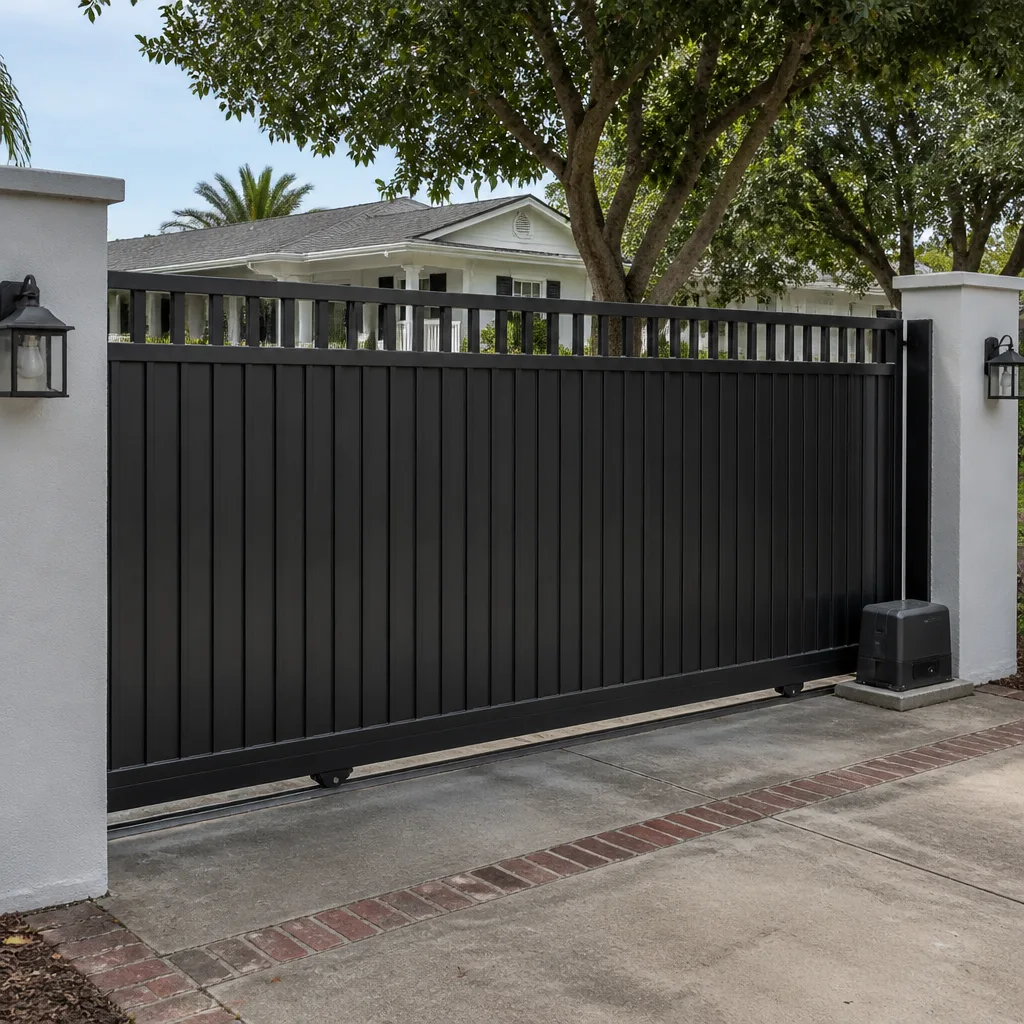 Sliding driveway gates
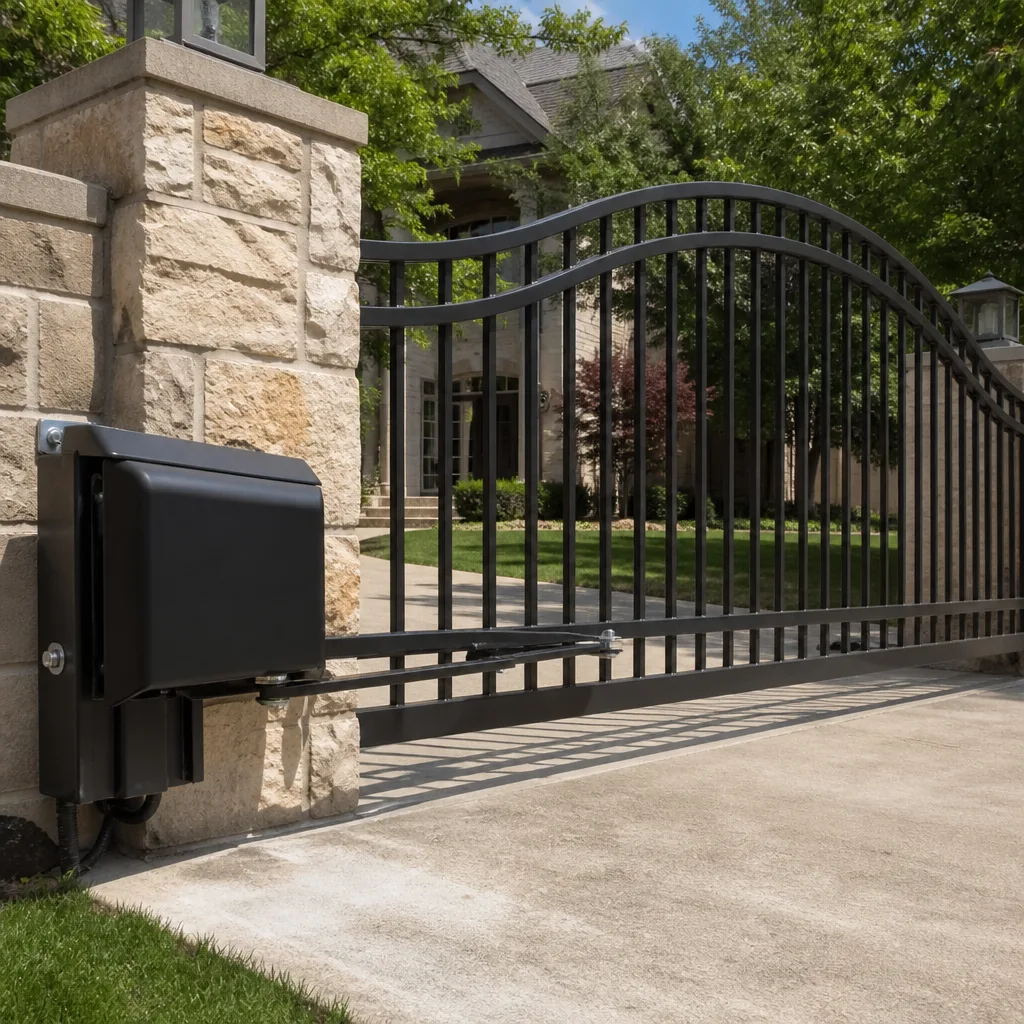 LiftMaster operators
Free on-site gate assessment - hinges, posts, and your LiftMaster or Nice gate operator checked before anything is quoted
The assessment is free and the quote is the invoice.
Get your free estimateChoosing the Right Gate Repair Brand: A Buyer’s Guide for Bakersfield
Most buyers assume the best gate operator is the one with the biggest advertising budget or the slickest box at the hardware store. In Bakersfield, that logic breaks down fast. The brand that dominates residential driveway installs here isn’t necessarily the top performer on a spec sheet. It’s usually the one with the strongest local distributor relationship, which means faster parts, lower markups, and technicians who’ve seen the same failure a hundred times and can diagnose it without a factory phone call. This guide walks through the parts-availability audit, duty-cycle math, climate-specific failure patterns, and warranty reality that actually decide whether a gate stays in service or waits weeks for a control board.
Quick Answer
The right gate repair brand for a Bakersfield property is the one with a local parts pipeline, proven performance in Central Valley heat and dust, and warranty terms you can actually enforce without shipping a control board to Los Angeles. For most homeowners and property managers here, that points to widely supported brands like FAAC, BFT, Linear, and Viking, paired with a technician who services all of them rather than a single-brand dealer pushing whatever’s on the shelf. Brand alone won’t keep a gate running; local parts support and diagnostic skill will.
Styles & brands we work with
- Wrought iron
- Wood & steel frame
- Farm & ranch
- Sliding driveway gates
- LiftMaster operators
Table of Contents
- The Parts Availability Audit That Comes Before Everything Else
- What Duty Cycle Really Means for a Bakersfield Gate
- Brand-Specific Failure Patterns in Central Valley Heat and Dust
- Weatherproof Enclosures and What They Protect
- Access-Control Integration: Keypads, Intercoms, and Phone Entry
- Reading a Warranty in Real Terms
- How to Evaluate a Brand in Five Steps
- Choosing the Installer Matters More Than the Badge
The Parts Availability Audit That Comes Before Everything Else
Before you compare features, run the same diligence a technician runs on a first visit. Ask a simple question about the brand you’re considering: where does the nearest authorized distributor keep its control boards? The answer tells you more about total cost of ownership than any spec sheet does.
For a control board or motor assembly that ships from out of state, a repair that should take a day turns into a multi-week wait with your gate propped open or locked shut. That’s the hidden cost behind a discount operator, and in Bakersfield it shows up on driveways from the older neighborhoods near downtown to the newer subdivisions as far out as the southwest.
Run this audit on any brand before you install it:
- Distributor presence. Confirm whether a supplier in the Central Valley stocks common parts for the brand, or whether everything ships from Southern California or out of state.
- Control board lead time. Ask how long a replacement board typically takes to land locally. A brand with a regional distributor usually beats a brand that drop-ships everything.
- Firmware access. Check whether firmware updates or parameter changes require a dealer login. Brands that lock technicians out of their own settings slow down every future repair.
- Common wear parts. Rollers, limit switches, belts, and battery backup cells should be readily orderable. If basic consumables are special-order, expect every small fix to stretch.
- Diagnostic support. Ask whether the brand offers field support a technician can reach. Brands that route repair questions through a single national call center test everyone’s patience.
In our experience, brands like Linear, Viking, and FAAC tend to have smoother parts pipelines in the region because installers use them widely enough to justify local stocking. A brand nobody nearby services can look cheap at purchase and turn into the most expensive operator you’ll ever own. When you’re weighing repair versus replacement, a quick look through our gate repair page will tell you whether the failing part is even obtainable.
What Duty Cycle Really Means for a Bakersfield Gate
“Residential” and “commercial” duty cycle labels are marketing shorthand. What matters is cycles per day and the duty rating expressed as a percentage of on-time. A residential operator is typically rated for a light load with long rest periods between cycles. A commercial or heavy-duty operator can handle constant back-and-forth without overheating its motor.
In plain terms, most single-family homes won’t come close to the limit of a standard residential operator. A household where a few cars come and go, plus deliveries, might cycle the gate a few dozen times a day. That’s well within a residential rating. But several situations push a “residential” unit past its design:
- Multiple units sharing one gate, as in a small HOA or a shared driveway, where dozens of separate open/close events stack up.
- High-traffic commercial lots, where a business front gate opens and closes for every customer, employee, and delivery.
- Short or heavy gate leaves that strain the operator more per cycle than a standard driveway swing.
- Hot summer days that reduce the cooling margin on a motor already running near its limit.
Bakersfield summers push residential operators to their thermal edge. A unit rated lightly for residential use runs fewer cycles before the motor and control board get hot, and heat is what shortens electronics. If your property cycles the gate more than a typical single household, a commercial-grade operator from a brand like BFT or DoorKing costs more upfront and usually pays that back in fewer failures. A technician who services both residential and commercial equipment can tell you which side of the line your gate sits on. For a broader look at what goes into keeping an automated gate running, see our electric gate repair overview.
Brand-Specific Failure Patterns in Central Valley Heat and Dust
The Central Valley climate does specific things to gate operators. Heat degrades control boards and motor insulation over time, and airborne dust works its way into motors, rollers, and linkage, accelerating wear. Which brand handles that reality best depends on how its enclosure, motor cooling, and moving parts are built.
Here’s what we watch for when evaluating a brand in this climate:
- Control board heat tolerance. Boards mounted in unshaded enclosures get hot. Brands that position the board away from motor heat and use conformal coating tend to survive longer.
- Motor brush wear from dust ingestion. Motors that draw outside air for cooling also draw dust. Some brands seal their motors better than others, and in dusty conditions that difference turns into brush wear.
- Weatherproof enclosure quality. A gasketed, UV-stable enclosure keeps heat and dust out. Thin plastic covers crack in summer sun and let contaminants in.
- Firmware and thermal protection. Boards with proper thermal cutoffs and overheat protection avoid hard failures and simply pause instead.
The practical takeaway: don’t assume one brand’s reputation in a mild market carries over to Bakersfield. What works flawlessly in a cooler climate may show heat-related control board issues here. This is where a specialist who works across several brands earns the trust – they’ve seen the same failure modes on repeated installs rather than reading about them.
If your operator is behaving erratically in the heat, it usually points to a control board or motor issue rather than a mechanical fault. A technician can tell the two apart with a proper diagnostic, which is exactly what our Gate Repair Bakersfield team spends most of its days doing.
Weatherproof Enclosures and What They Protect
The enclosure does quiet but important work. It shields the control board and motor from sun, rain, dust, insects, and small animals, and it manages internal heat. When an enclosure fails, every component inside fights a harder battle.
When comparing brands, look at three things about the enclosure:
- Seal quality. Gaskets on doors and cable entries keep dust and water out. Cheap seals flatten and let contaminants in.
- Material and UV stability. Sun, not water, is the main threat in Bakersfield. Plastic that yellows and cracks within a few summers won’t protect the board inside.
- Ventilation and heat routing. A well-designed enclosure routes airflow and motor heat away from the control board. Poor ventilation turns the box into an oven.
In this climate, a good enclosure can add years to a control board’s life. And when the enclosure is compromised, a board that’s otherwise fine can fail from heat or moisture. That’s one reason we push repair-first: often the fix is a new board and a new seal, not an entirely new operator.
Access-Control Integration: Keypads, Intercoms, and Phone Entry
For properties with a telephone entry system, intercom, or mobile app control, integration is a decision point that can lock you into a single brand for years. Not every operator plays nicely with third-party access control, and some void their warranty if you wire in a system they didn’t bless.
Here’s what to confirm before you buy:
- Native support for telephone entry. Brands like DoorKing build telephone entry into their ecosystem, so pairing a DoorKing operator with a DoorKing entry system avoids compatibility dead ends.
- Open integration with third-party intercoms. Confirm whether the brand’s controller accepts standard dry-contact inputs and outputs, or whether it requires a proprietary module.
- Mobile app and remote control. Ask whether app control is first-party or requires a subscription, and whether a wired keypad or fob can coexist with it.
- Warranty language on integration. Read the fine print on whether adding a third-party access device affects coverage. Some brands treat unauthorized integration as voiding parts of the warranty.
For a single-family Bakersfield home, a simple keypad and remotes from a brand like Viking or Linear is usually plenty. For a commercial property or multi-unit site, picking an operator with native access-control flexibility saves money later, because you won’t have to rip out an intercom to add one.
Reading a Warranty in Real Terms
“One-year parts and labor” sounds reassuring until you need it. The warranty only matters if you can actually get someone to honor it, and the distance between your gate and the nearest service center is part of that equation.
Here’s how to read a gate operator warranty honestly:
- Who performs the labor? A parts-only warranty means you’re still paying a technician for installation. A parts-and-labor warranty covering a local technician is far more valuable.
- Where is the service center? If the brand’s nearest service center is in Los Angeles, a warranty claim can mean shipping a control board out of the region. Check where the brand actually services warranty work for a Bakersfield installation.
- What’s covered and what’s excluded? Look for exclusions on motors, boards, and labor, and whether wear parts are covered.
- What voids it? Unauthorized integration, improper installation, and neglected maintenance can void coverage. Confirm the details in writing.
In real terms, a warranty is only as strong as the local support behind it. A brand with a strong local technician network means a failed board can be swapped the same week. A brand without that network turns a covered part into a weeks-long wait. Our team can tell you which brands in the Bakersfield market carry real local support, so a warranty is worth more than the paper it’s printed on.
How to Evaluate a Brand in Five Steps
Put the whole thing into a practical order before you commit to a brand or an operator:
- Check local distributor presence. Confirm that a Central Valley supplier stocks parts for the brand and can get a control board quickly.
- Match duty cycle to real traffic. Count your gate’s typical cycles per day. If it runs more than a typical household, choose commercial-grade.
- Confirm climate performance. Ask a technician who services several brands about heat and dust failure patterns on the brand you’re considering.
- Review integration needs. If you use an intercom, telephone entry, or app, verify native support and whether integration affects the warranty.
- Read the warranty against local service coverage. Confirm who does the labor and where the service center is before you install.
Nothing here requires a factory badge or a brand loyalty oath. It requires knowing the local ecosystem. Property managers across Bakersfield already understand how much downtime costs, which is why the smart ones ask about parts pipelines first and brand marketing second.
Choosing the Installer Matters More Than the Badge
The brand on the box is only half the equation. A technician who works across several brands will diagnose the actual failure and fix it, rather than defaulting to whatever part is easiest to sell. A single-brand dealer has an incentive to push that brand, even when another operator would be a better fit for your gate and traffic.
We’re the multi-brand specialist – a focused operation that services residential and commercial gate systems rather than a general handyman who dabbles in gates. That means electric gate diagnostics reach the motor, control board, safety sensors, wiring, and remote or keypad system, not just the visible hardware. Because we work across nine name-brand systems, we identify the right fix. Repair-first, always, before anyone suggests a full replacement.
Our technicians have up to 11 years of experience, and that experience lives in the brands, not in a sales pitch. Whether you’re dealing with FAAC, BFT, Linear, or Viking, the question we ask is what your gate actually needs – and whether the fix is a board swap or a full installation. For a new gate or a replacement system, we’ll measure the site and give you a written price rather than a phone estimate. For a failing operator, we’ll tell you what the diagnostic shows.
Common Mistakes to Avoid
- Buying on box price alone. A cheap operator with no local parts support turns expensive the first time a board fails. Factor in lead time, not just the sticker.
- Ignoring duty cycle. A residential unit installed on a shared HOA gate or a busy commercial lot will overheat and fail. Match the operator to real traffic.
- Assuming a warranty is a warranty. A parts-only warranty with a service center in Los Angeles protects the paper, not your gate. Read who pays for labor and where.
- Adding an intercom without checking integration. Wiring in a third-party access device can void coverage on some brands. Confirm compatibility before the install.
- Letting one brand dictate the diagnosis. A dealer who only services one brand tends to find that brand’s solution. A multi-brand technician finds the actual fault.
- Skipping the enclosure and heat check. In Bakersfield, an operator’s enclosure and thermal design decide how long the control board lasts. Don’t ignore it.
- Replacing before diagnosing. Heat-related board faults and motor wear look like total failures but are often repairable. Repair-first saves money.
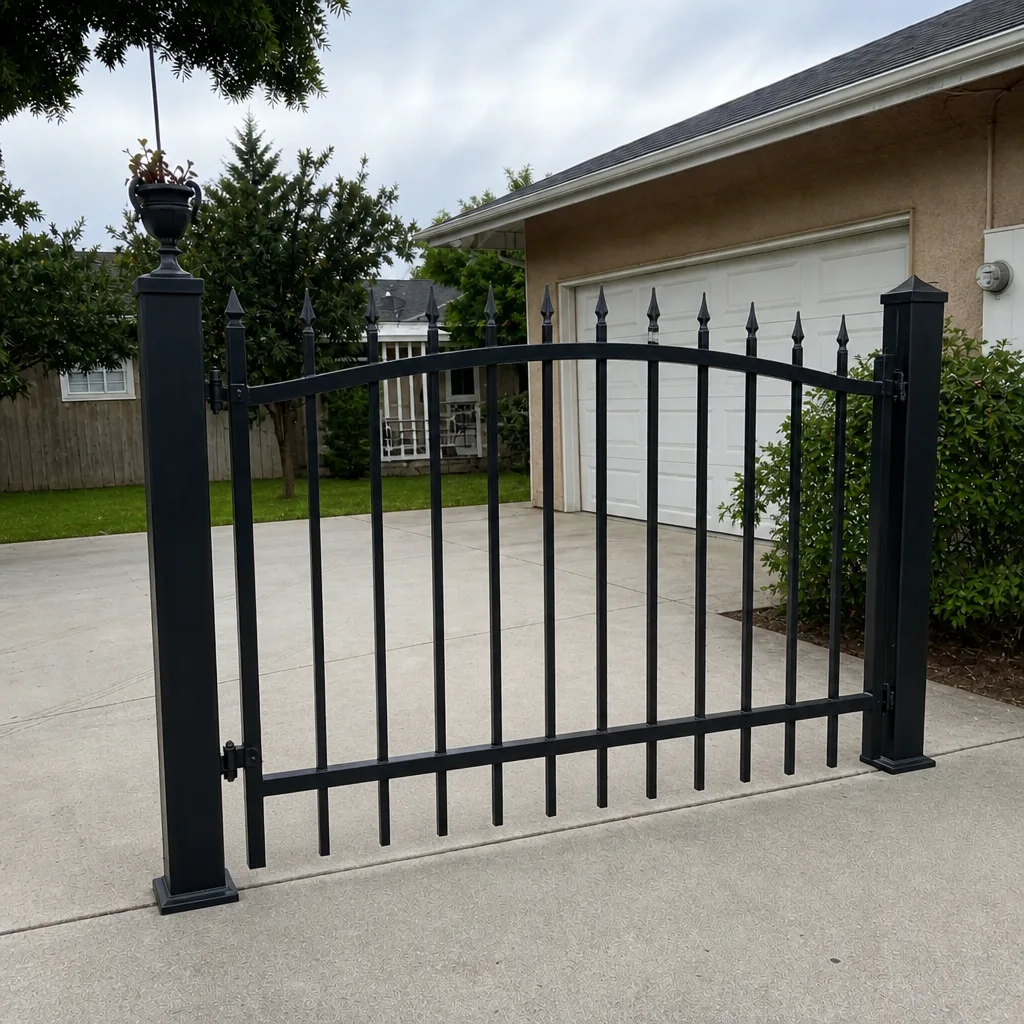
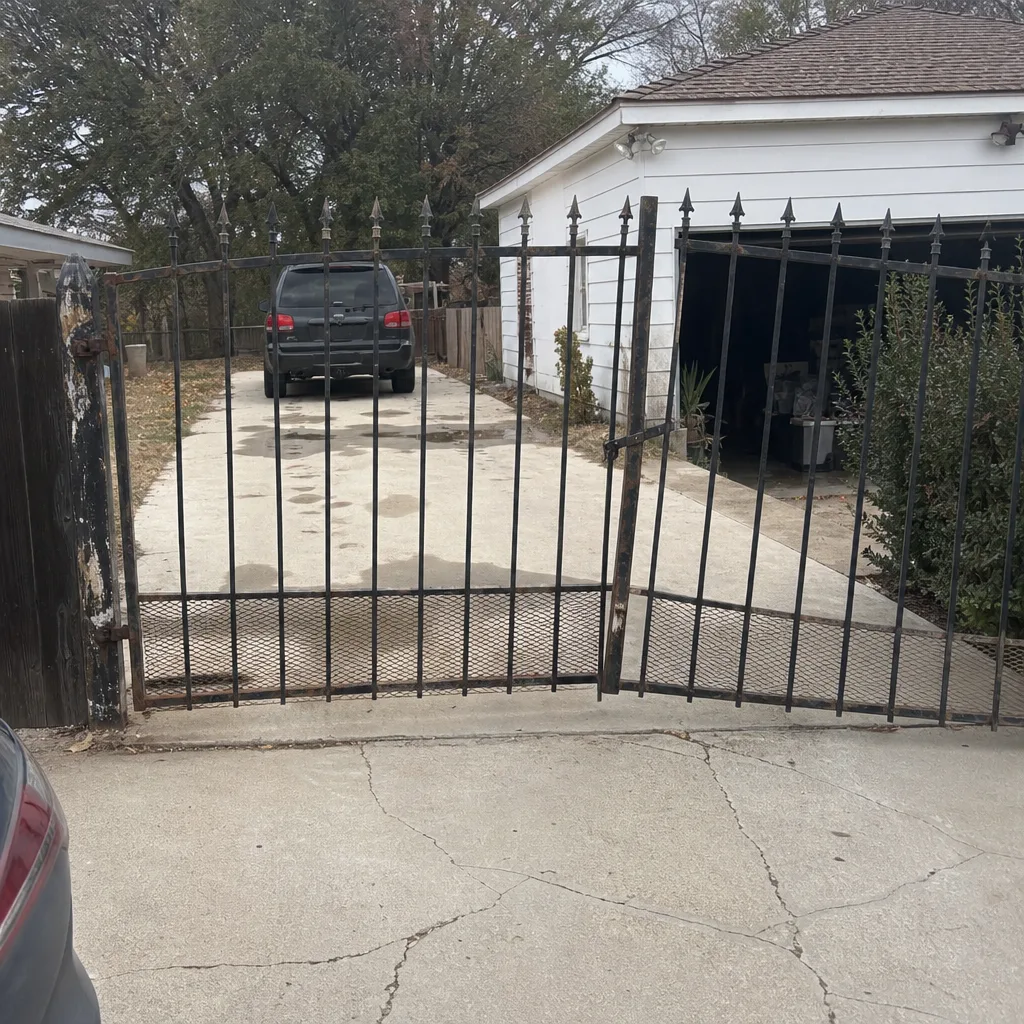
See the difference
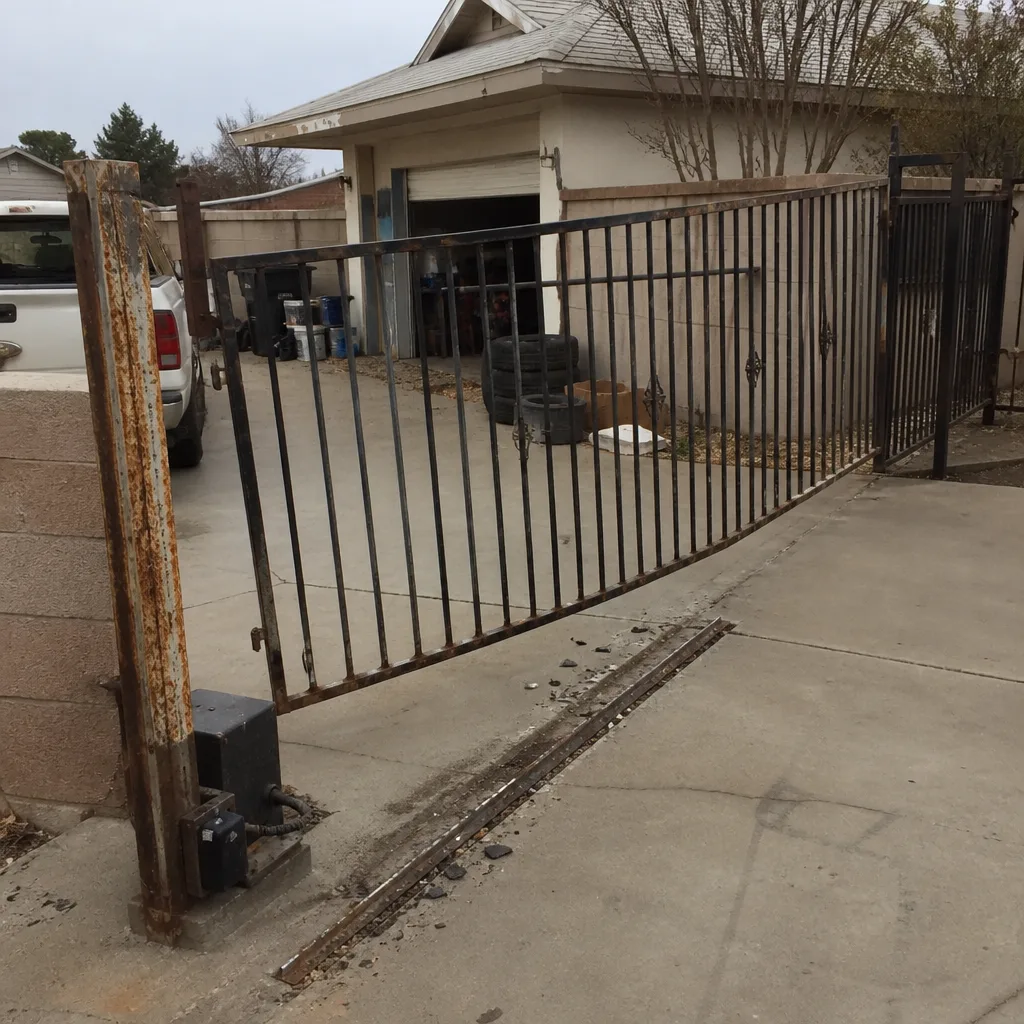 Before
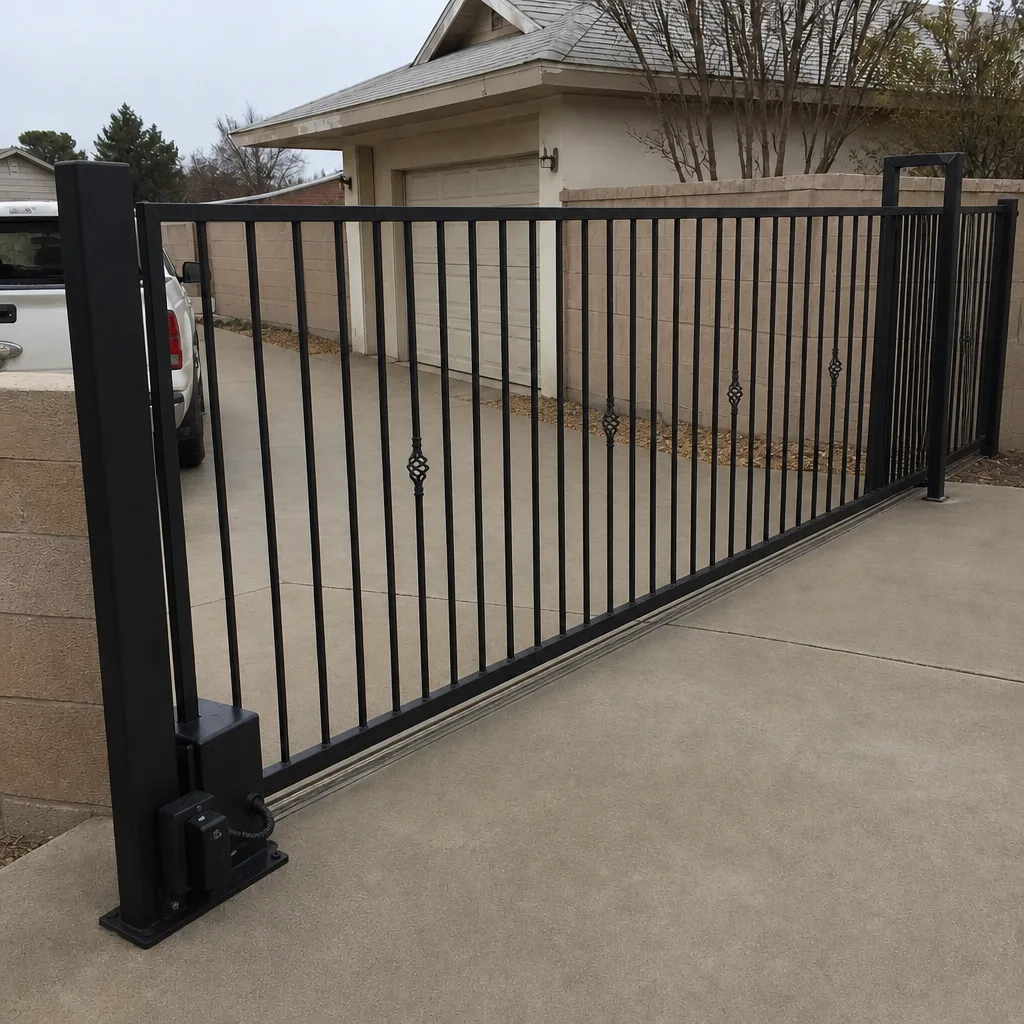 After
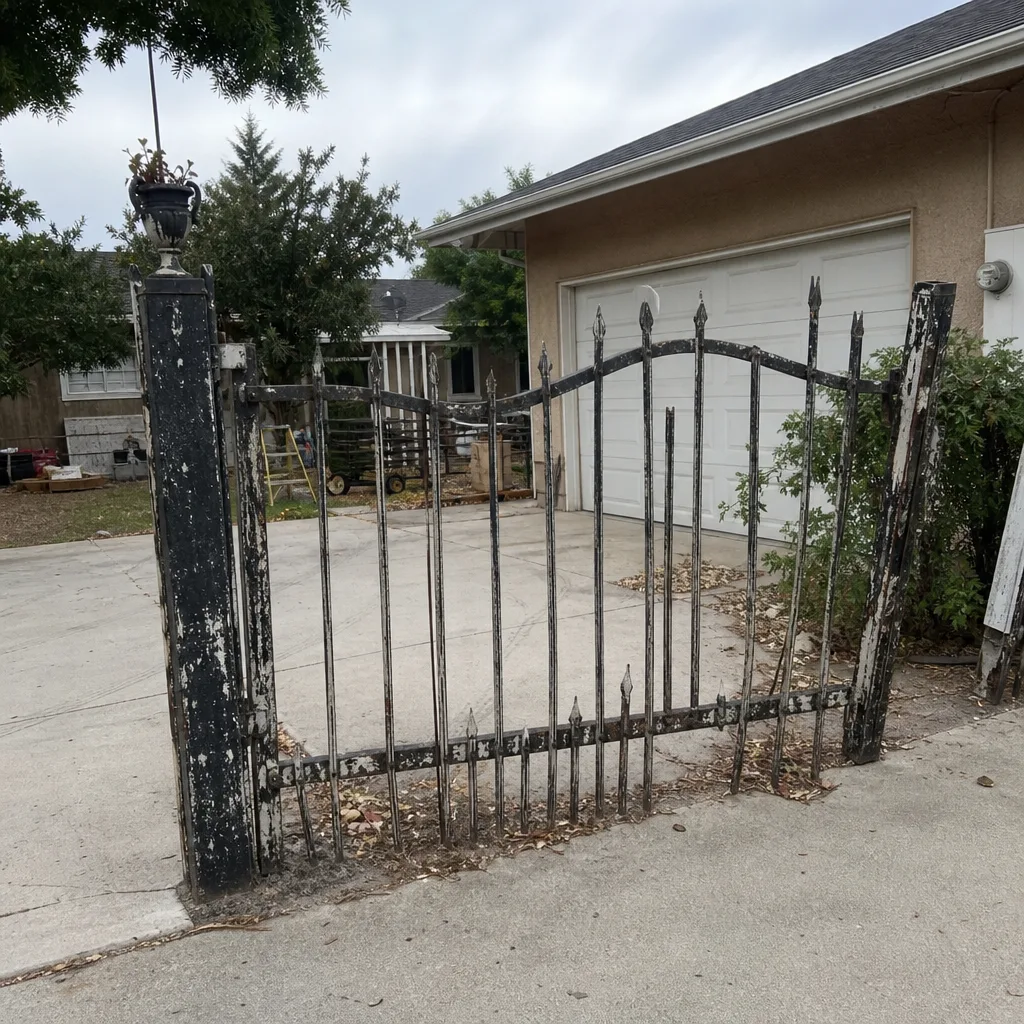 Before
 After
 Before
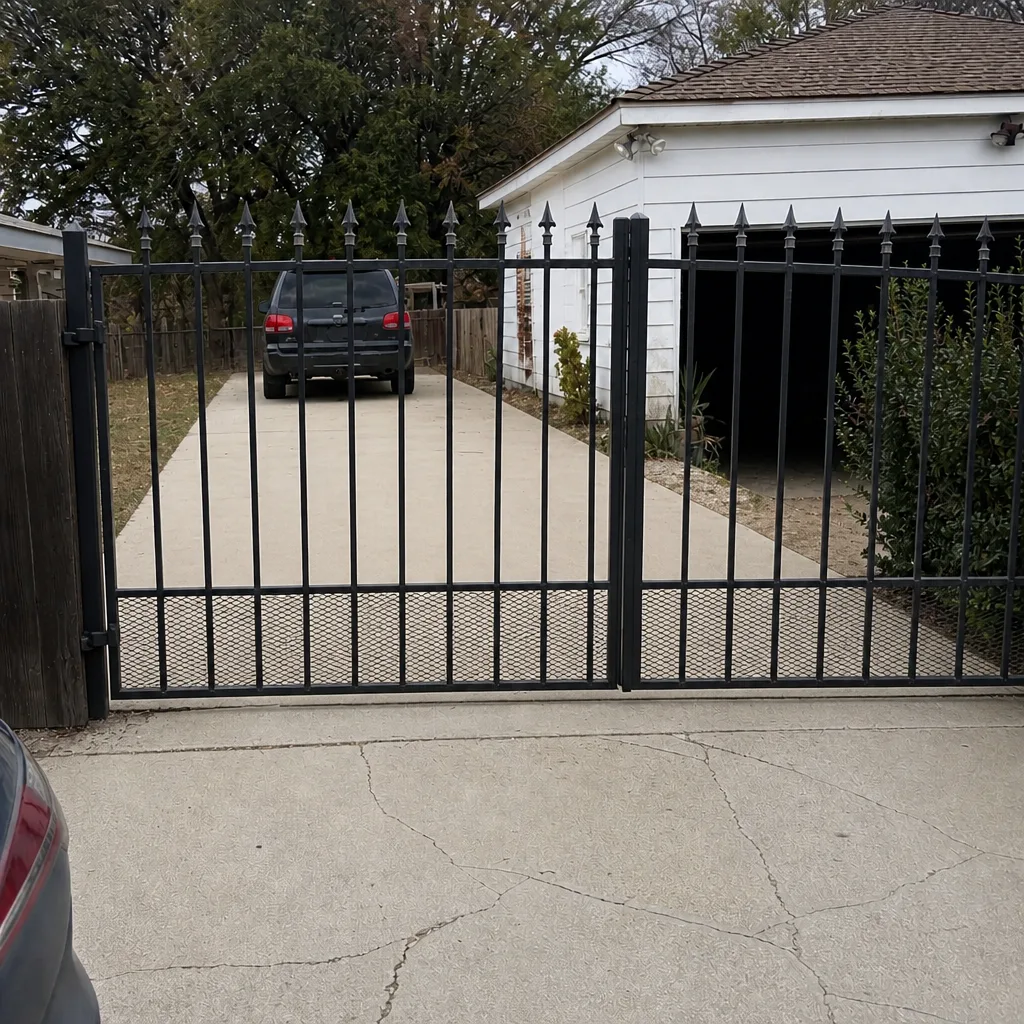 After
When to Call a Professional
Some failures are obvious, and some are dangerous to handle alone. Call a professional when a gate motor overheats and shuts down repeatedly, when a control board shows signs of heat damage, when the gate reverses unpredictably or won’t fully close, or when wiring and safety sensors look compromised. Automatically operated gates carry real hazards – heavy panels that can crush, operators with live wiring, and sliding gates that can come off the track. A trained technician diagnoses the motor, control board, and wiring safely and tells you whether it’s a repair or a replacement. Gate Repair Bakersfield offers free estimates in Bakersfield. Call (866) 389-4932. We answer 24/7, with fast dispatch from 7am to 7pm, Sunday through Friday, and the price is quoted and agreed before any work starts.
Frequently Asked Questions
There’s no single best brand – the right one for you is the brand with a local parts pipeline, proven performance in Central Valley heat, and a warranty you can enforce. Brands like FAAC, BFT, Linear, and Viking all have solid track records here, but the more important factor is a technician who services multiple brands. Call (866) 389-4932 for an exact quote – estimates are free.
Gate repair costs vary with the failure – a control board, a motor, a sensor, or mechanical hardware each prices differently, and the written estimate sets the final price before any work starts. Because we’re a repair-first shop, the diagnostic often turns a would-be replacement into a much smaller fix. Call (866) 389-4932 for an exact quote – estimates are free.
Check the duty rating and cycles-per-day spec on the operator, not the label on the box. A residential unit is built for light loads with long rest periods; a commercial unit handles constant cycling. If your gate serves an HOA, a shared driveway, or a business lot, you likely need commercial-grade. A technician can confirm by looking at the unit and your traffic. Call (866) 389-4932 for a free estimate.
Summer heat reduces the cooling margin on a motor and control board already running near their thermal limit, which is why heat-related control board issues show up in the Central Valley. Dust ingestion accelerates motor wear too. If your gate behaves erratically in hot weather, it’s usually a motor or board problem rather than a mechanical one. Our electric gate repair diagnostics cover exactly that.
Yes – a warranty is only as strong as the local support behind it. A brand whose nearest service center is in Los Angeles can stretch a covered repair into weeks, while a brand with local technician support can swap a board quickly. Confirm who performs the labor and where the service center is before you install. Call (866) 389-4932 to ask which brands carry real local coverage.
We work across nine name-brand systems, including LiftMaster, FAAC, BFT, Linear, Viking, Ghost Controls, DoorKing, Elite, and Mighty Mule, so most residential and commercial gates are in scope. If your brand is different, call and we’ll confirm before you commit to anything. Call (866) 389-4932 – estimates are free.
The Bottom Line
Brand selection for a gate operator isn’t a marketing decision. It’s a parts-availability and service-ecosystem decision. The brand that looks cheapest at install often becomes the most expensive to own when a control board has to travel from out of the region and your gate sits propped open for weeks. In Bakersfield, check the local distributor, the duty cycle for your real traffic, the climate failure history, the integration options, and the warranty coverage against actual local service. Then pick a technician who services several brands and diagnoses before recommending replacement. That combination keeps a gate in service. Call (866) 389-4932 for a free estimate.
Written by the team at Gate Repair Bakersfield.